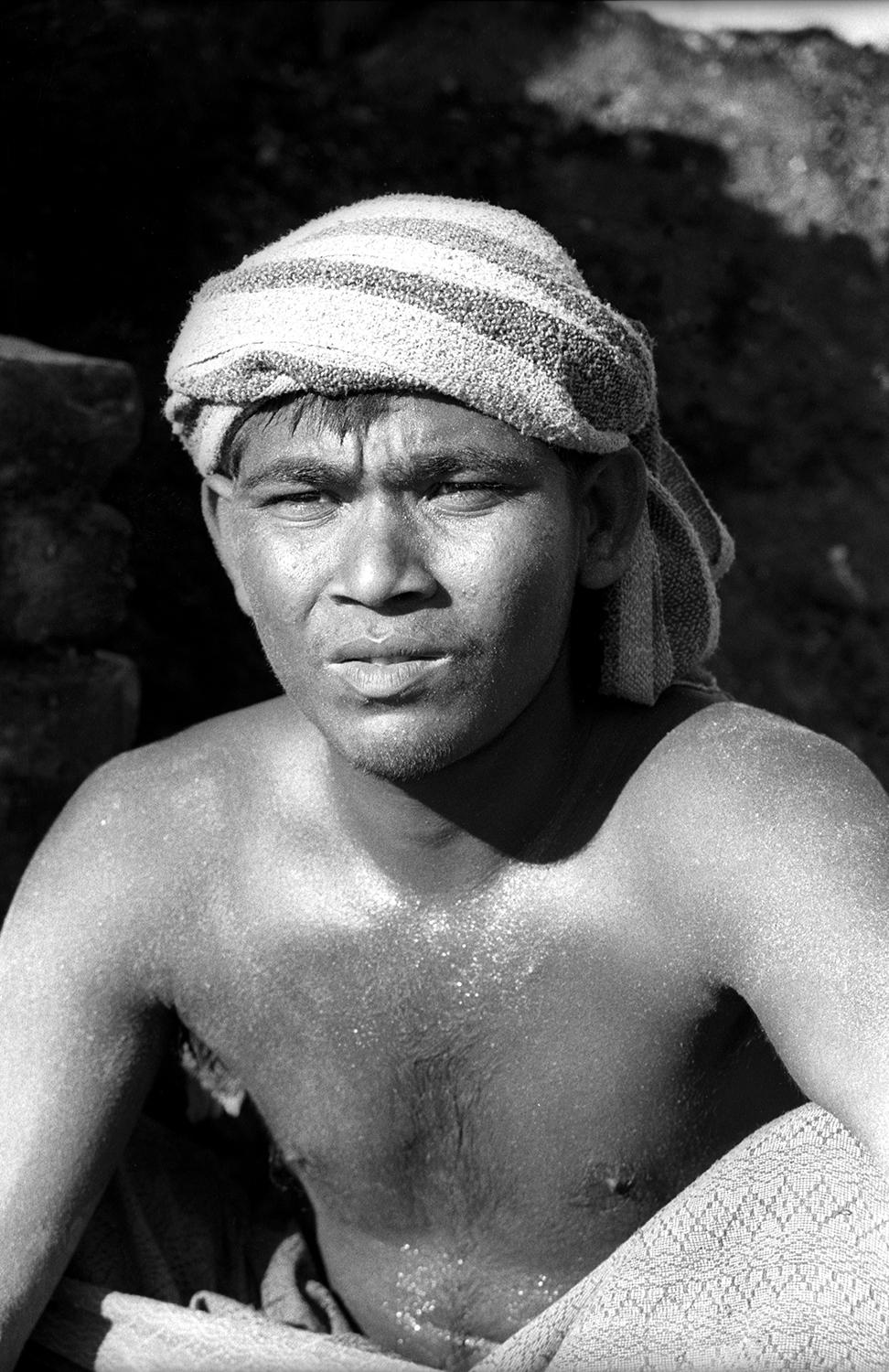
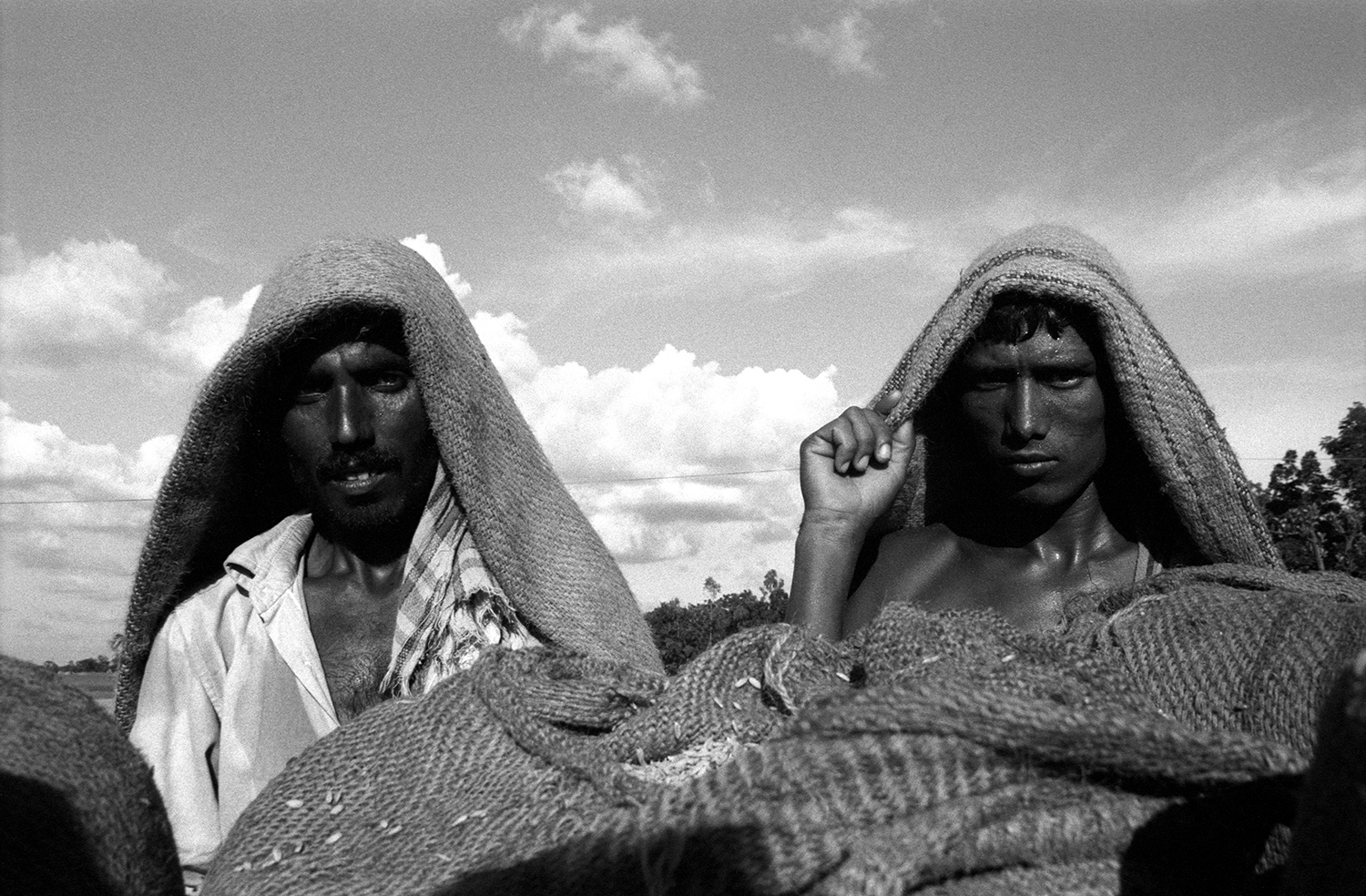
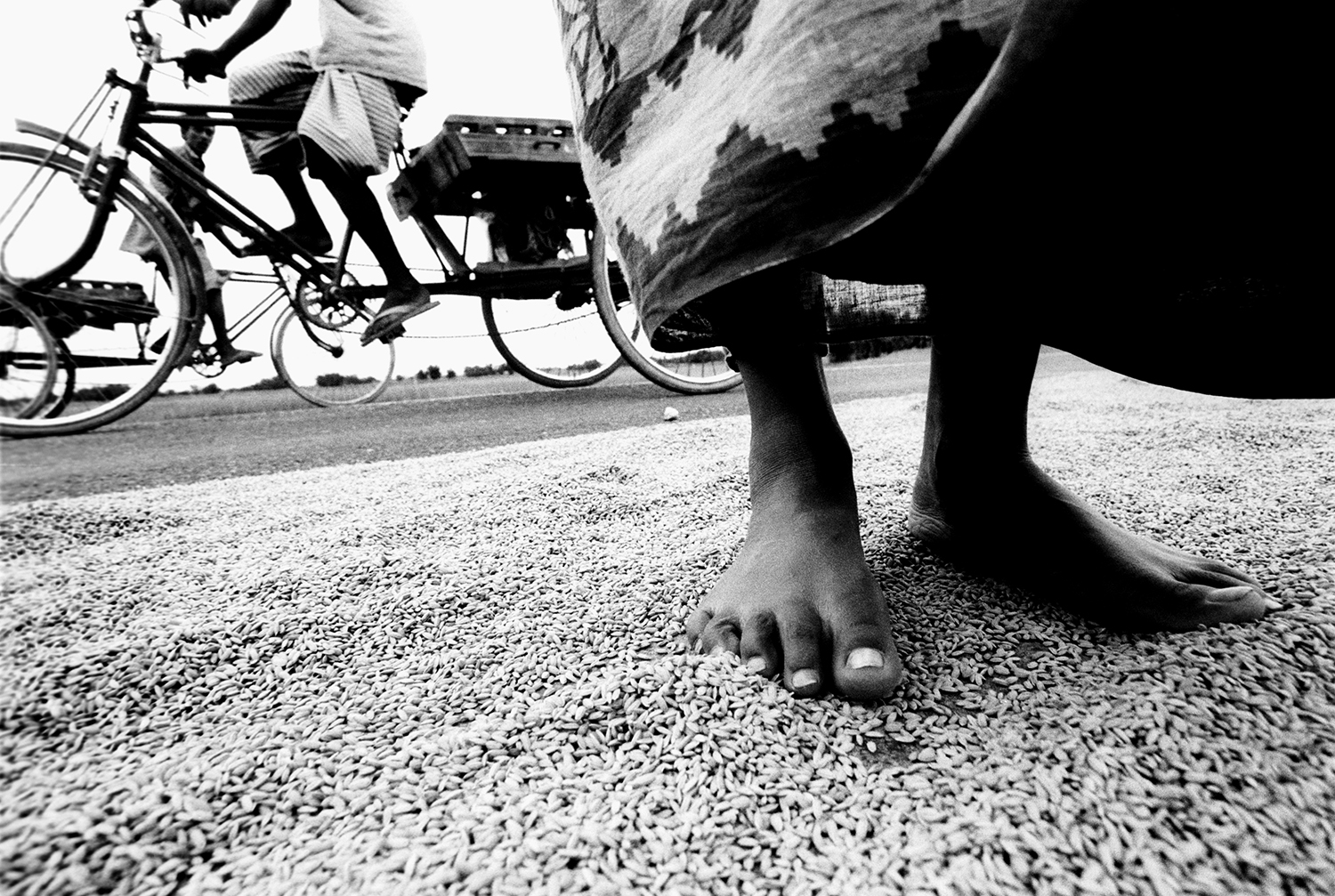
Bangladesh: Fish and Rice.
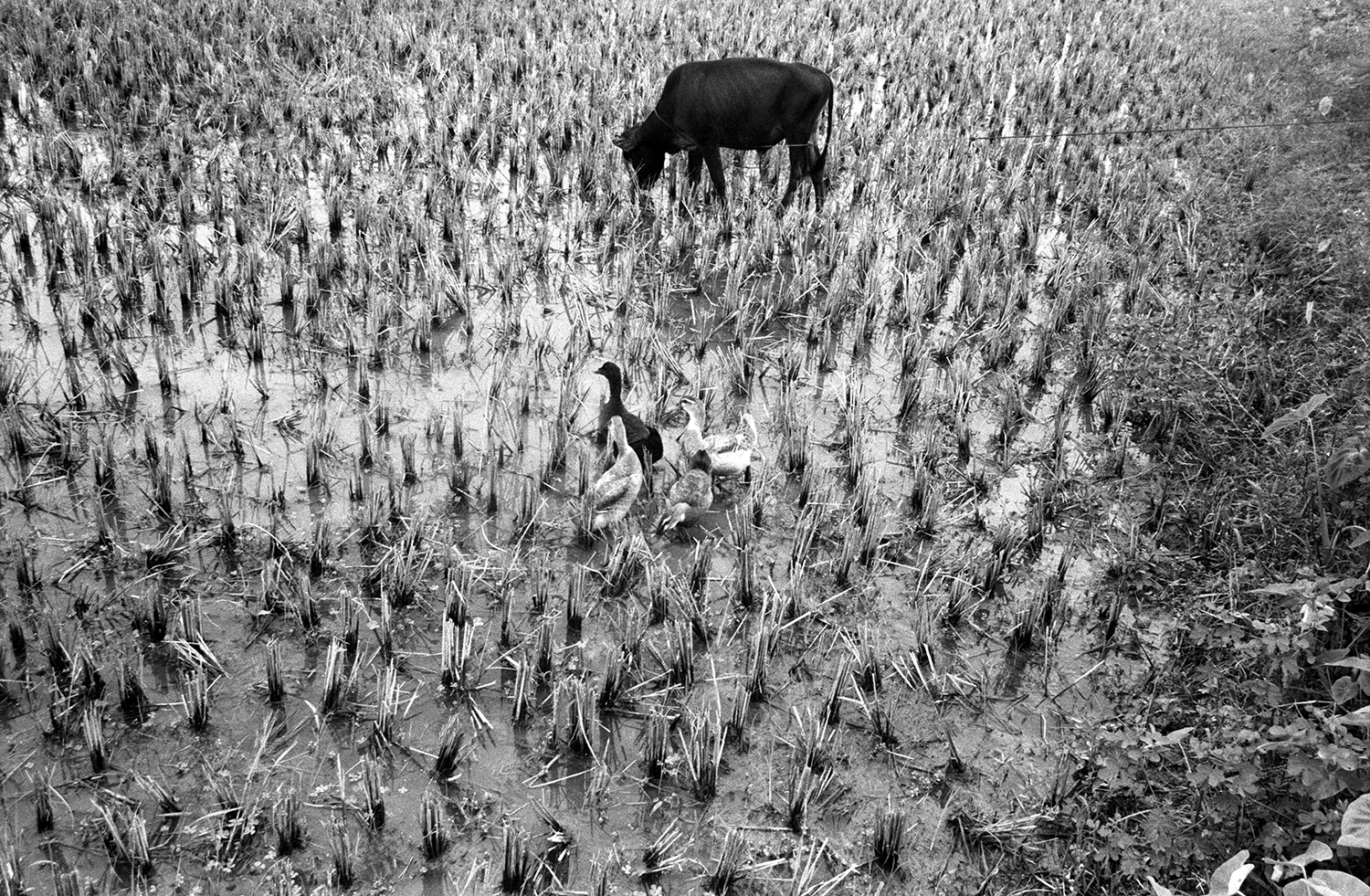
Much of the world’s hunger and poverty exists in low income countries. In Bangladesh farmers are introducing another crop into their rice fields - small, indigenous fish that can live in flooded paddy fields whilst the rice is growing. Rice and fish are an important source of food and nutrition security, income, and livelihood options for many people in Bangladesh.
Fish
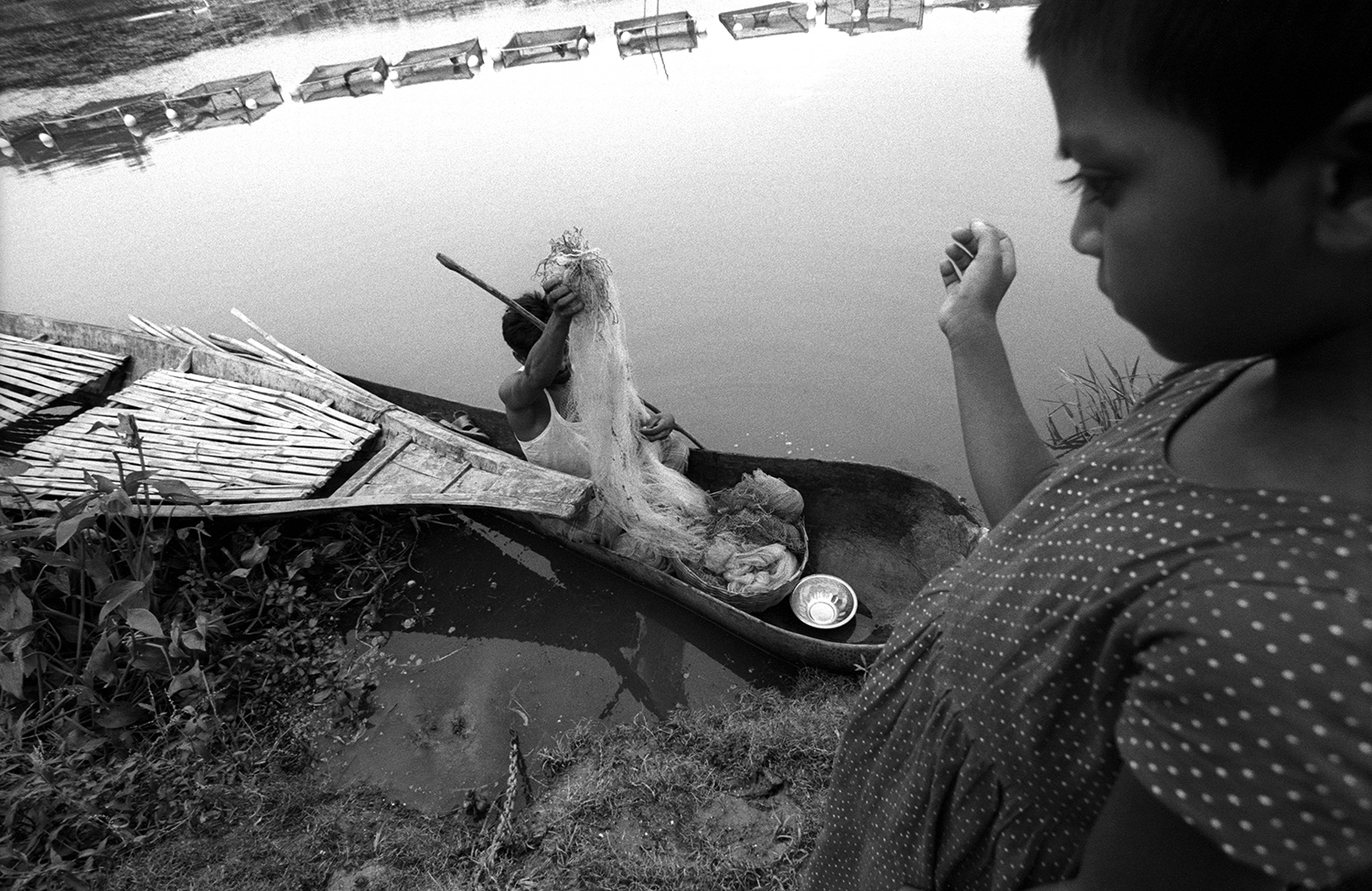
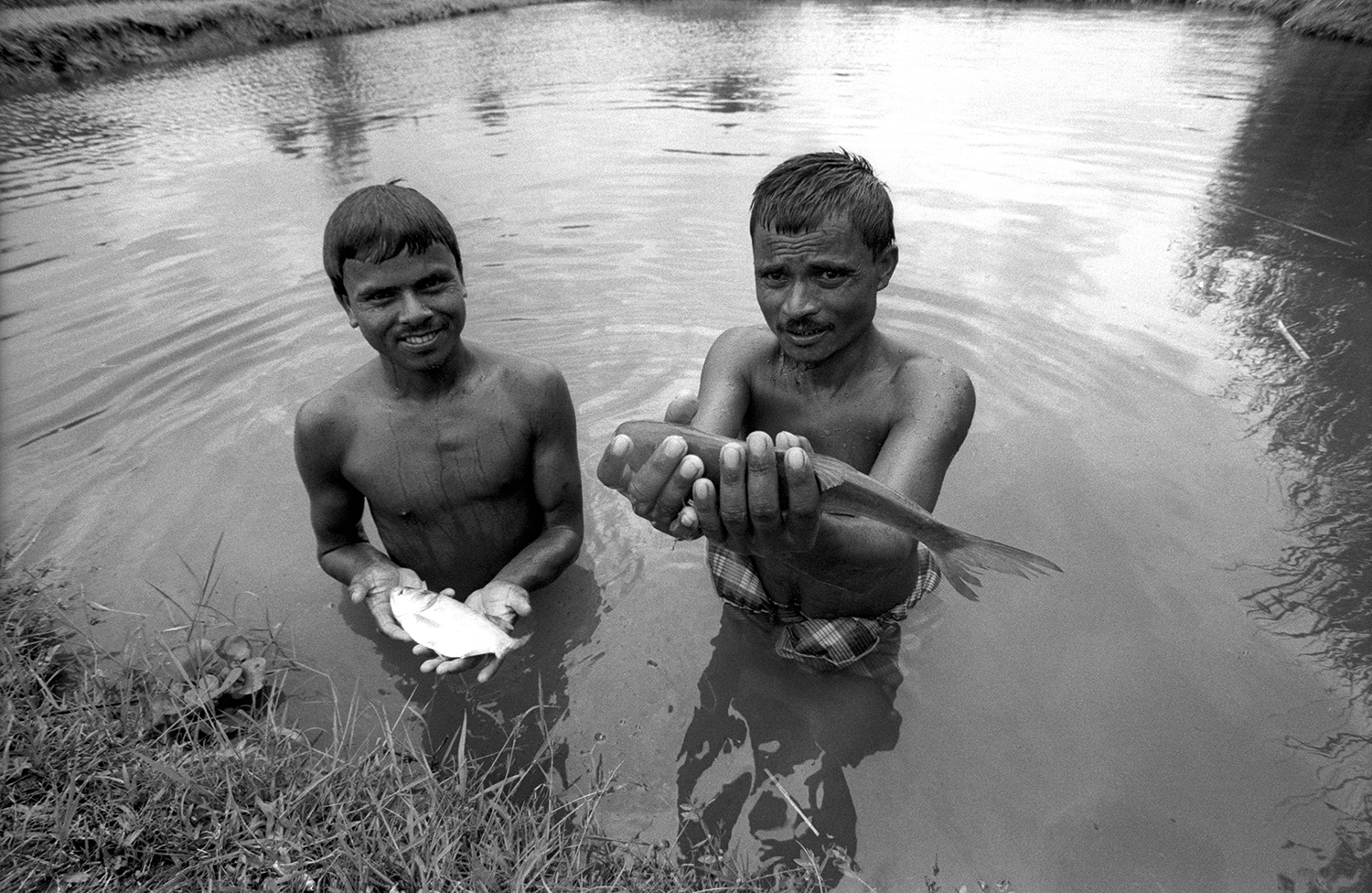
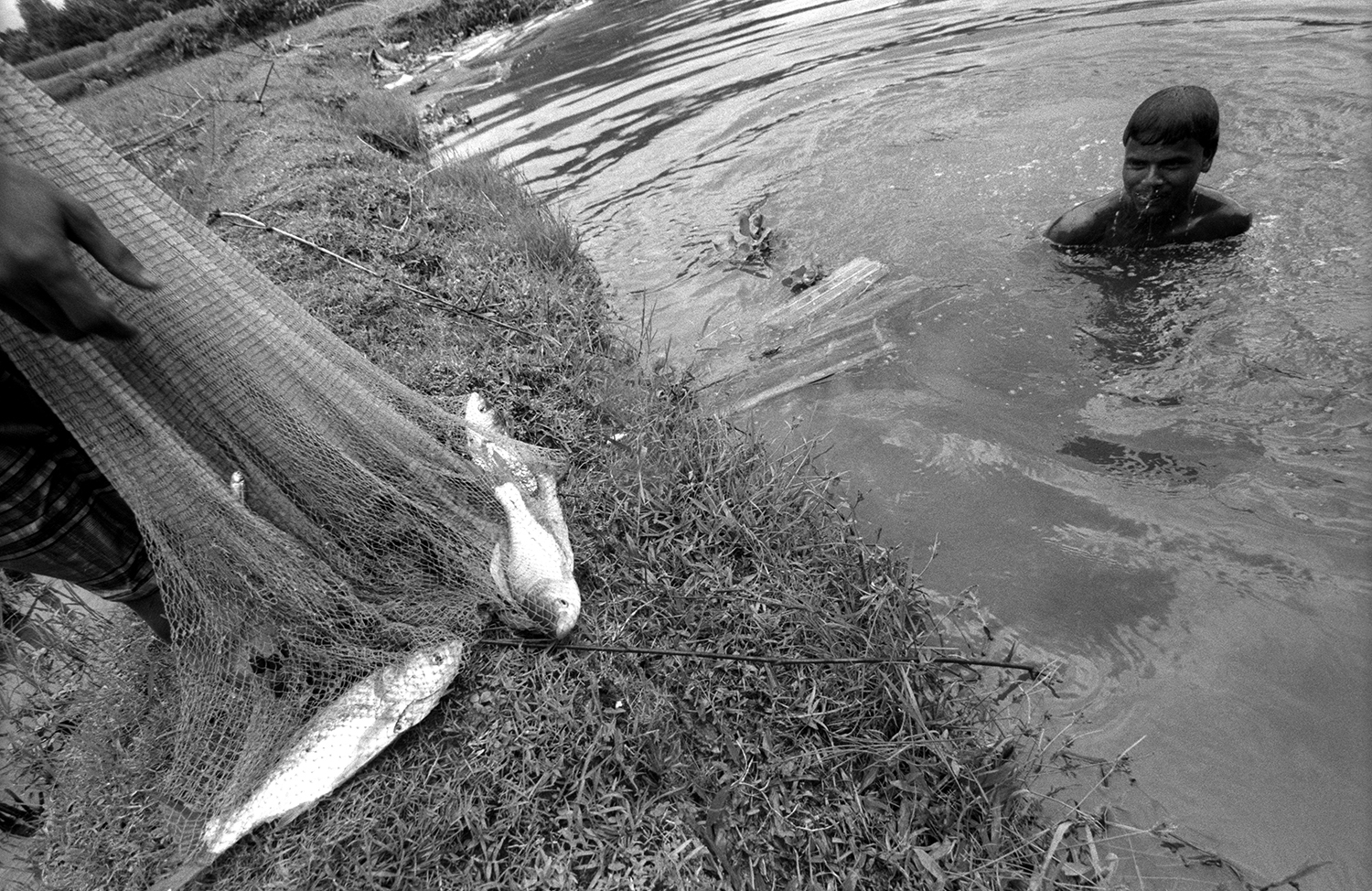
Fish farming in rural Bangladesh is carried out in small household ponds, community ponds, and low‑lying fields that hold water through much of the year. Farmers begin by preparing the pond bed, clearing weeds, and applying organic fertiliser to create a natural food base for young fish. Fingerlings are then released into the water, where they feed on plankton, algae, and supplementary feed made from rice bran or oilcake. Throughout the growing period, farmers manage water levels, monitor oxygen conditions, and protect the pond from predators. When the fish reach market size, the pond is partially drained and the catch is collected with nets for sale or home consumption. This method supports local diets, provides income for rural households, and forms a central part of everyday village life.



Rice
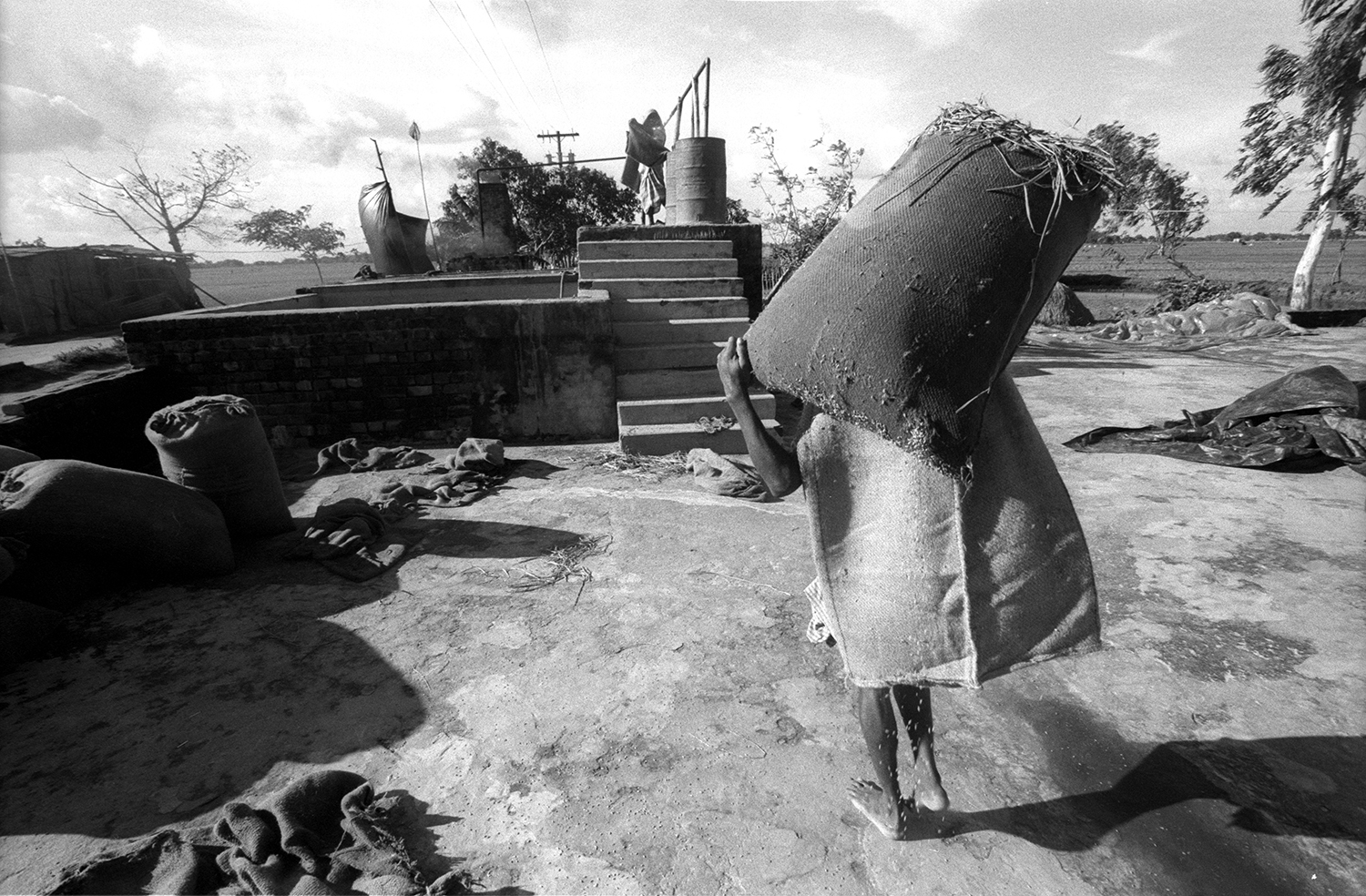
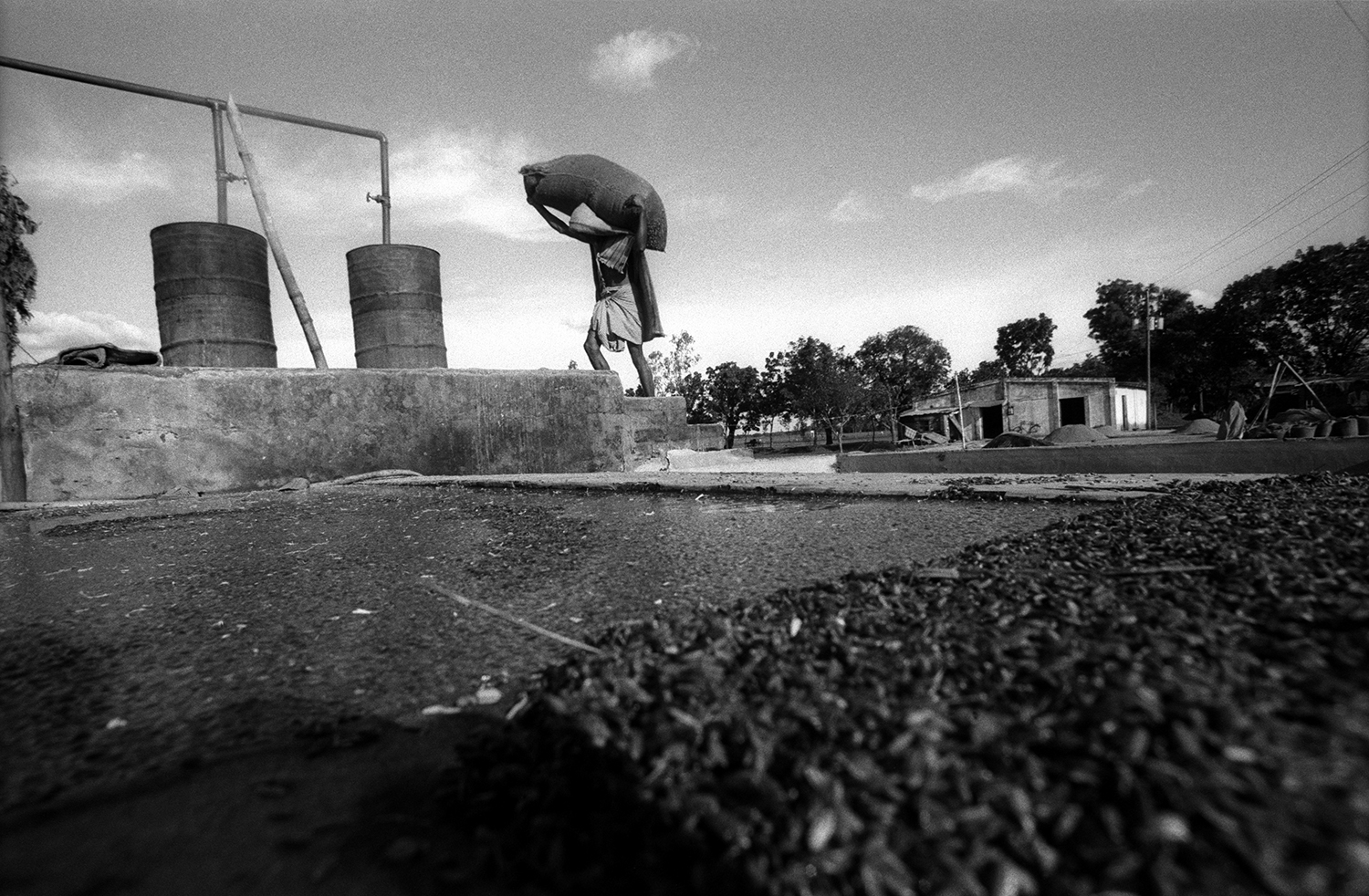
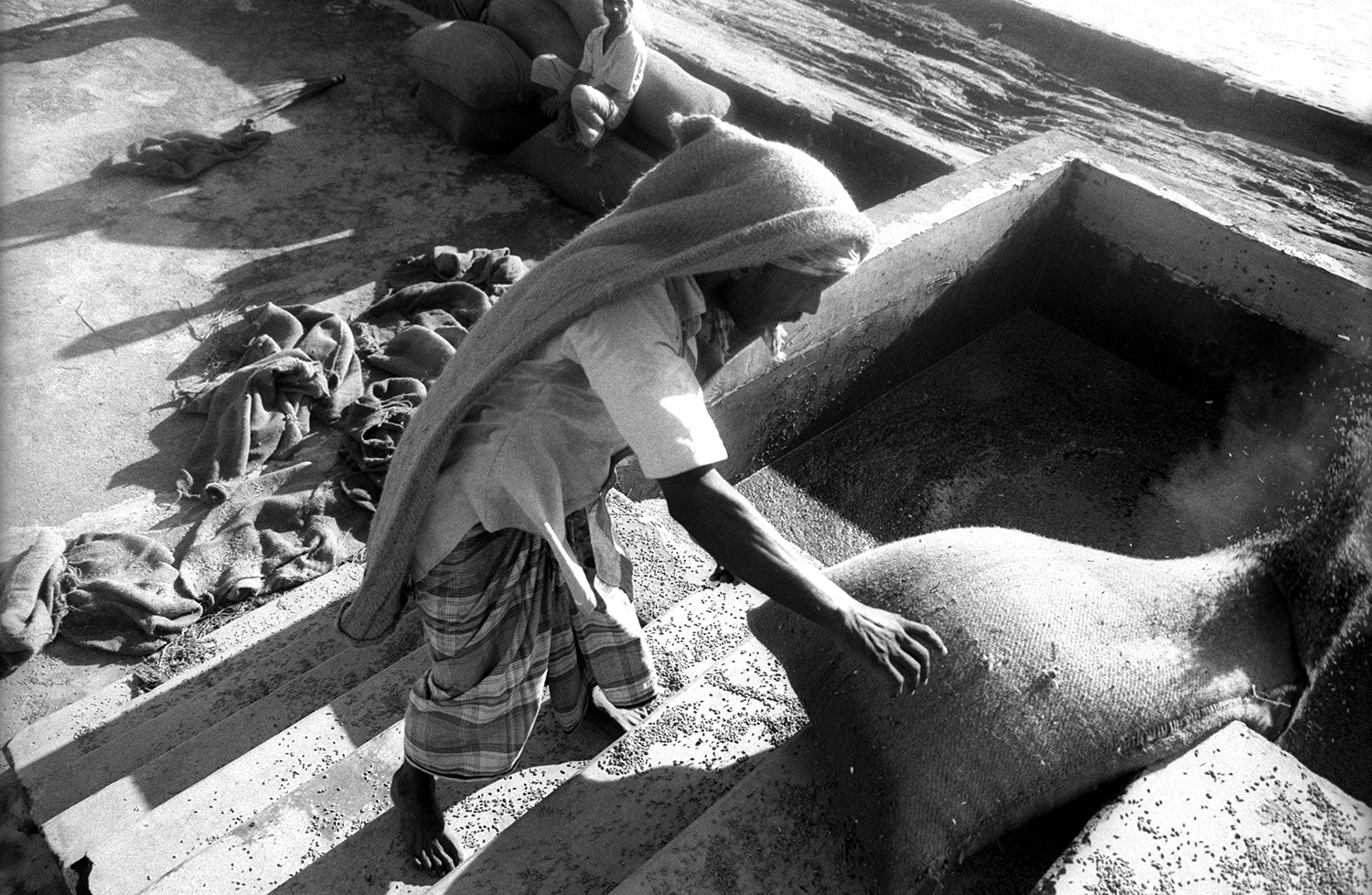
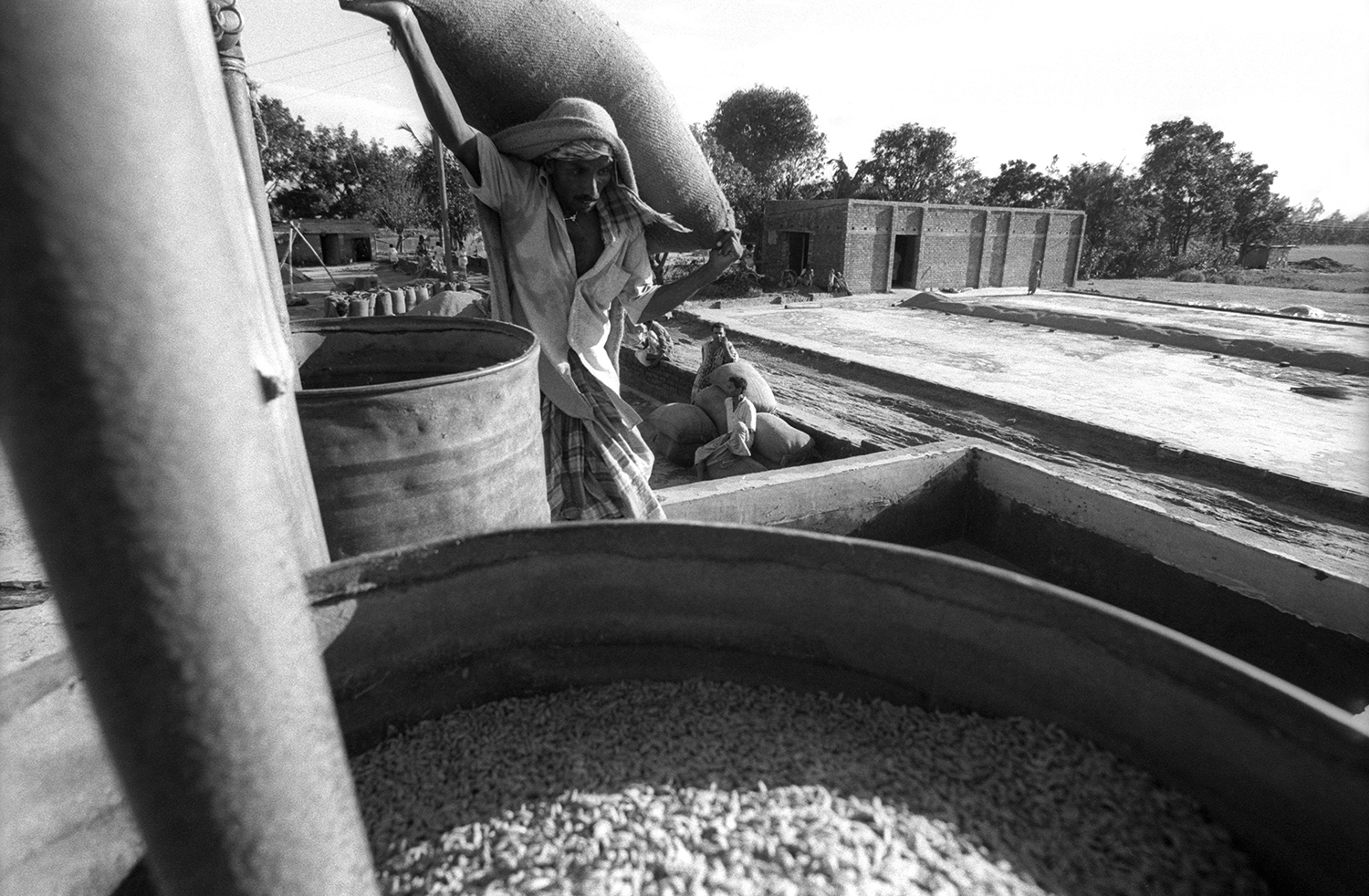
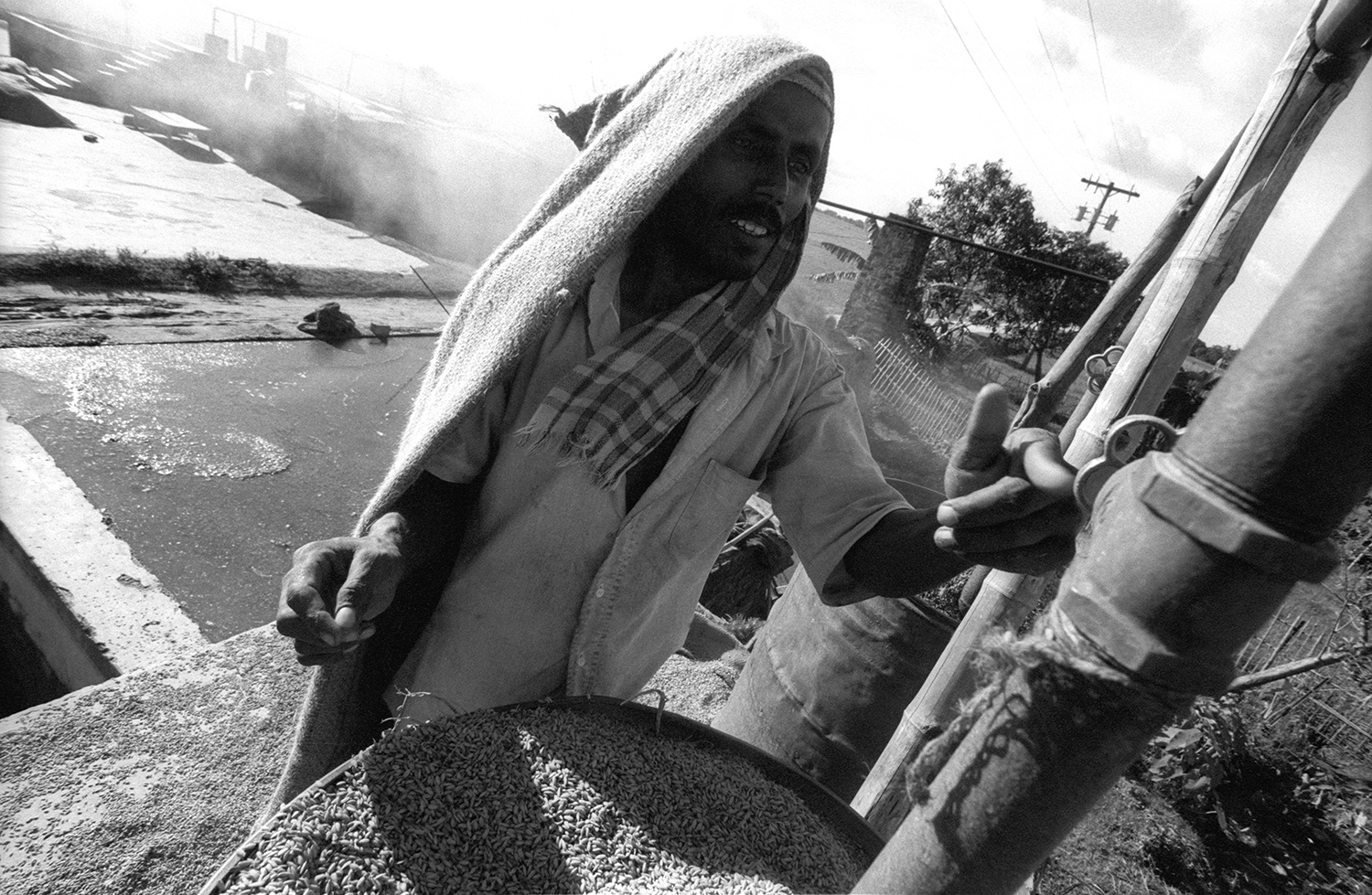
Parboiling rice in rural Bangladesh follows a simple but carefully maintained sequence that has been used for generations. Freshly harvested paddy is first soaked in water until the grains absorb enough moisture to soften the husk. The soaked paddy is then heated in large metal pots or small village parboiling vessels, where steam penetrates the husk and partially cooks the grain. After steaming, the paddy is spread out in the sun on courtyards, mats, or raised drying beds, and is turned repeatedly to ensure even drying. Once dry, the parboiled paddy is taken to a small mill or hand‑processed to remove the husk. The method produces rice that stores well, cooks evenly, and retains more of the grain’s natural nutrients.